Indoor Kid Soft Play Educational Toy for Sale
| Name | Indoor Kid Soft Play Educational Toy for Sale |
| Certificates | ISO,CE,GS,TUV,SGS |
| Age range | 3-12 years |
| Advantages | 1)European standards. |
| 2)Anti-static,Anti-skid,Anti-fade,Anti-crack and UV-resistance. |
| 3)Professional desiger will design for you freely. |
| Occasion | Pre-school,amusement park,garden,shopping mall,public places etc. |
| Function | Stimulated children's curiosity,exploring desire,and advanced their team work and adventurous. |
| spirit and their abilities of cognition,judgement and problem-sloving during play. |
| Packing | Plastic will be packed with bubble film and plastic wrap. |
| Metal will be packed with black cotton and plastic wrap. |
| Installation | Professional CAD instruction,assembly procedure and project case,techical engineer also can be sent according to your requirement. |
| Production time | 10-15days |
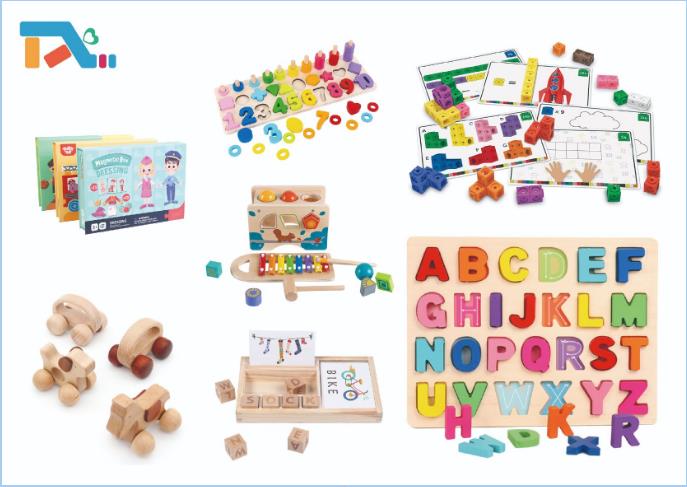 Educational toys have become increasingly popular in recent years as parents look for ways to engage their children in fun and interactive learning experiences. These toys are designed to stimulate a child's imagination, encourage creativity, and promote learning through play. However, it's important to know how to use these toys effectively to ensure that they are truly benefiting your child's development.
Choose the Right Toy
The first step in using an educational toy effectively is to choose the right one for your child's age and developmental stage. Consider your child's interests and strengths when selecting a toy. For example, if your child loves music, a toy that teaches basic music theory or allows them to create their own tunes may be a good choice. If your child is struggling with math, a toy that focuses on counting or shapes may be helpful.
Encourage Exploration
Once you have chosen an educational toy, encourage your child to explore it on their own. Allow them to play with the toy freely and see what they discover. This will help them develop their problem-solving skills and encourage creativity. You can also ask your child questions about the toy to help them think critically about what they are doing and why.
Set Goals
While it's important to let your child explore the toy on their own, it's also helpful to set specific goals for them to achieve. For example, if your child is playing with a toy that teaches basic coding skills, you could set a goal for them to create a simple program that makes a character move across the screen. This will help your child focus their attention and develop their skills in a structured way.
Provide Feedback
As your child plays with the educational toy, provide feedback and encouragement. Let them know when they are doing well and offer suggestions for improvement when necessary. This will help them build confidence and develop a growth mindset, which is essential for learning and success.
Make it Fun
Finally, remember that learning should be fun! Use the educational toy as an opportunity to bond with your child and have fun together. Play games, create challenges, and celebrate your child's achievements. By making learning enjoyable, you will help your child develop a lifelong love of learning.
In conclusion, educational toys can be a valuable tool for promoting your child's development and learning. By choosing the right toy, encouraging exploration, setting goals, providing feedback, and making it fun, you can use these toys effectively and help your child reach their full potential.


 Educational toys have become increasingly popular in recent years as parents look for ways to engage their children in fun and interactive learning experiences. These toys are designed to stimulate a child's imagination, encourage creativity, and promote learning through play. However, it's important to know how to use these toys effectively to ensure that they are truly benefiting your child's development.